
 Hospitality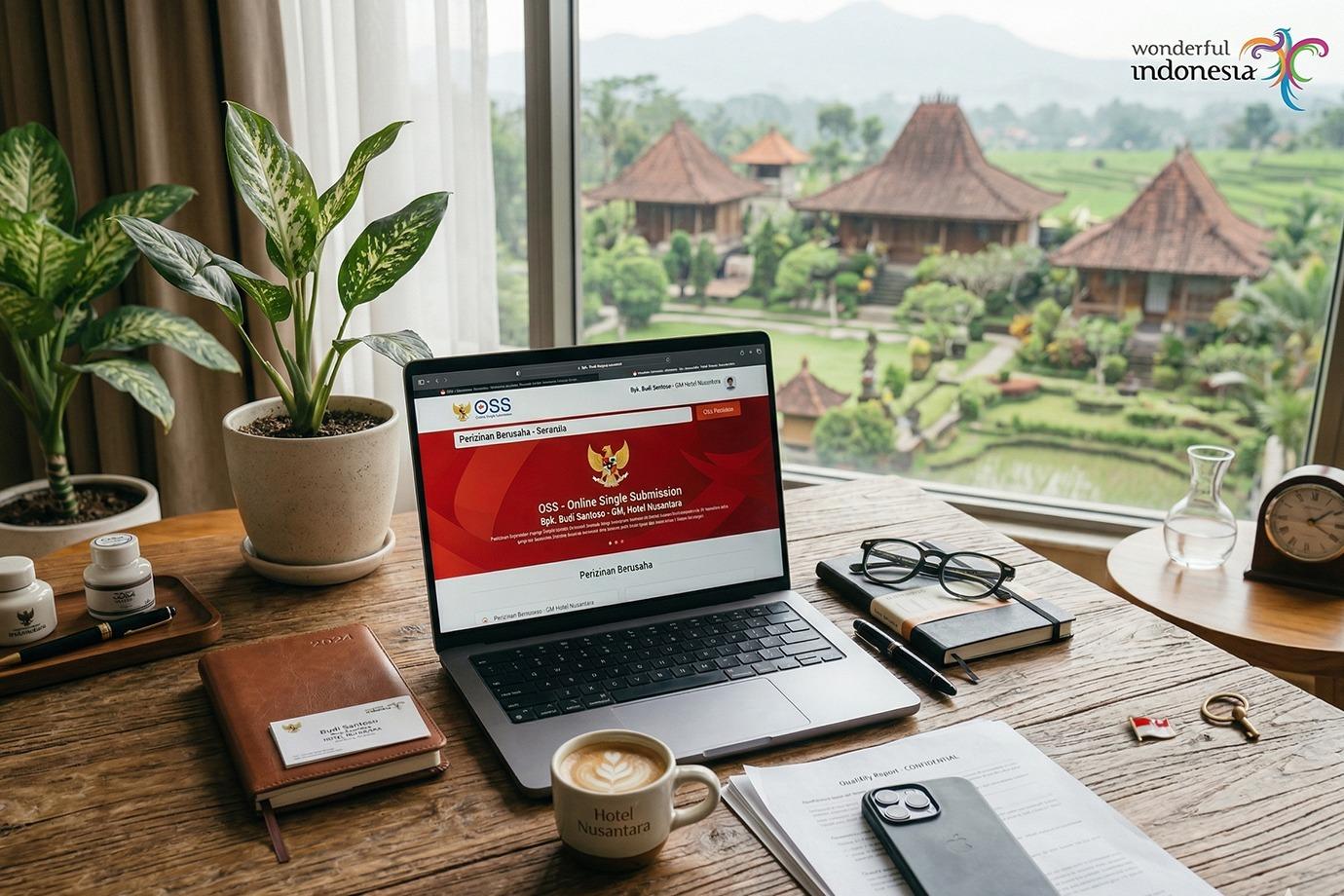
1. What Are the New Legal Foundations for Tourism in 2026?
As we move through 2026, the Indonesian Ministry of Tourism and Creative Economy (Kemenparekraf) has tightened regulations to position the country as a high-quality, sustainable destination. These updates are not merely administrative—they represent a fundamental shift in how the tourism ecosystem functions.
The government has introduced the National Standard for Digital Tourism (SNI), which requires every business to maintain a transparent management system. This initiative aims to eliminate unlicensed operators that compromise traveler safety. As a leading solution provider, Rideum ensures your operations remain aligned with these latest compliance standards through automated fleet and booking management.
Key Administrative Shifts:
- Enhanced OSS RBA: Automated verification for specific KBLI (Business Classifications) related to high-risk tourism activities.
- Traveler Single Identity Number (SIN): Integration of international visitor data to streamline service delivery and security across provinces.
2. How is Digital Transformation Reshaping Business Operations?
Is your business ready for mandatory data interconnection? In 2026, the government requires booking platforms and operational management software to share real-time data (via API) with the National Tourism Dashboard.
Why System Integration is Critical:
- Real-Time Permit Validation: Tourism vehicles not registered in the central digital system risk immediate flags by digital checkpoints.
- Price Transparency: Standardizing digital invoicing to prevent “price gouging” and protect the reputation of local destinations.
- Unified Tax Reporting: Local entertainment and service taxes are now integrated directly with digital transaction logs.
To ensure your business stays ahead of these technical requirements, explore the Rideum Transport Management Solution, which is purpose-built to meet these 2026 regulatory standards.
3. Why is “Green Tourism” Certification Now Mandatory?
2026 marks the end of the transition period for Sustainability and Green Compliance. Indonesia now follows global benchmarks where tourism businesses must prove their commitment to carbon footprint reduction.
- Accommodations: Must implement certified waste management and energy-saving systems.
- Transport: Tax incentives are provided for operators transitioning to Electric Vehicles (EVs) or using AI-optimized route management to reduce emissions.
- Destinations: Implementation of digital “carrying capacity” limits to prevent over-tourism.
Related Reading: Sustainable Tourism Trends in Indonesia 2026
4. How Do These Regulations Impact Tourism Transport Businesses?
Transport is often the most scrutinized link in the tourism value chain. Under the 2026 Ministry of Transportation updates, there is a significant crackdown on “special hire” (tourist) transport permits.
2026 Compliance Checklist for Transport:
- Digital KPS: The Supervision Card (KPS) is now a mandatory QR code that must be accessible to passengers for safety verification.
- Vehicle Age Limits: Stricter enforcement of an 8-year maximum age for premium category tourist vehicles.
- Driver Certification: Drivers must hold both a valid license and a “Basic Tourism Competency” certification.
By leveraging Rideum technology, car rental and tour bus owners can easily monitor permit expirations, fleet maintenance schedules, and driver performance within a single, unified dashboard.
5. FAQ: Frequently Asked Questions
- Is CHSE certification still relevant in 2026?
Yes, but it has evolved into the “Indonesia Care Certification,” which now covers environmental sustainability and digital integration alongside health and safety.
- Do small businesses (MSMEs) have to comply?
There is a “simplified track” for MSMEs, but the requirement to have an NIB and be registered within the digital ecosystem remains mandatory for all.
- What happens if I don’t adopt a digital management system?
The primary risks include the inability to renew business licenses through the OSS system and potential administrative fines from local tourism boards.
- Can Rideum help with regulatory compliance?
Absolutely. Rideum provides a management platform that standardizes your services according to government regulations, from fleet tracking to transparent operational reporting.
Conclusion
The 2026 tourism business regulations in Indonesia demand higher professionalism and transparency. While these shifts may seem daunting, they are designed to create a healthier, more profitable ecosystem in the long run. Ensure your business is backed by the right technology to turn these regulatory hurdles into a competitive advantage.
Ready to optimize your business for 2026? Contact our team at Rideum.io for a free consultation.