
 F&B
F&B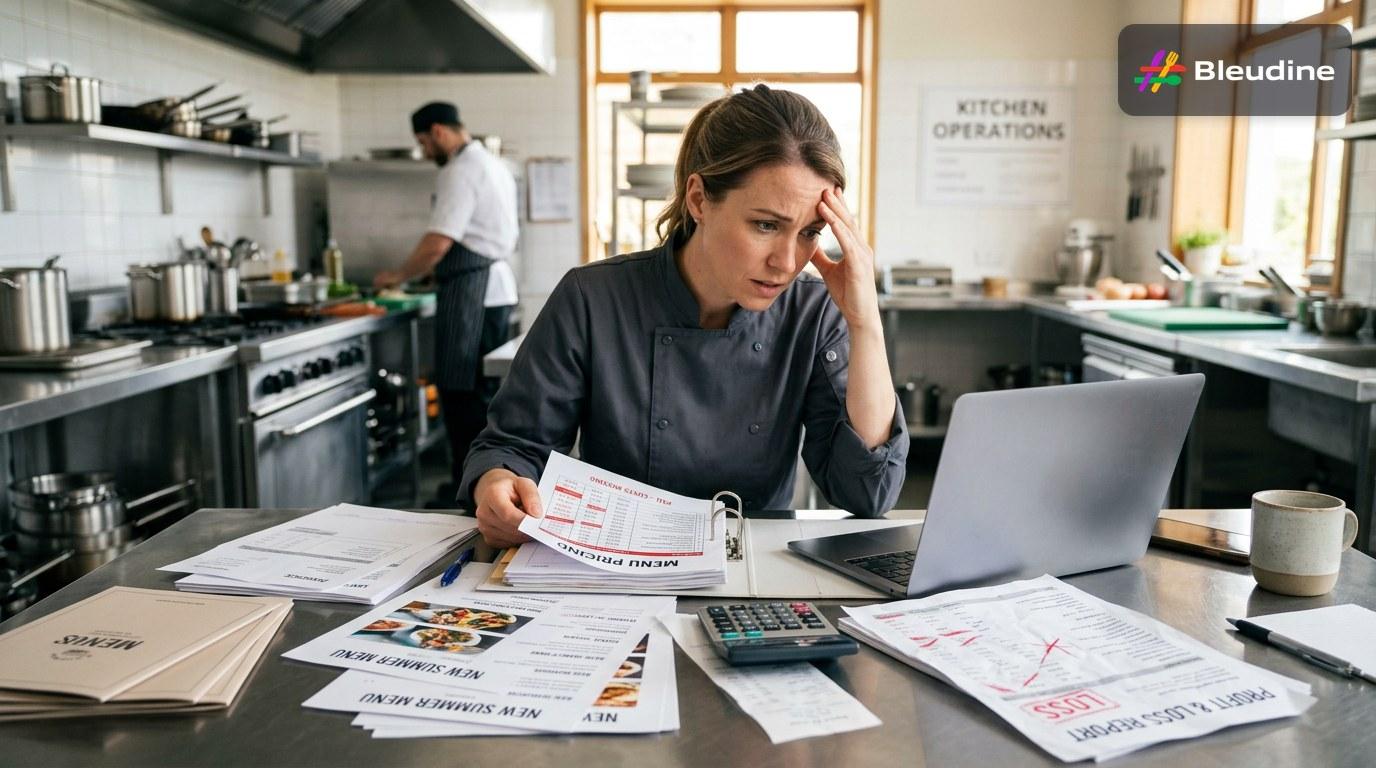
Menu costing only works when every dish starts with accurate ingredient, labor, and overhead numbers. If your base cost is wrong, your menu mix analysis will mislead you, your margins will slip, and your best-selling dishes may still lose money. The first step is not redesigning the menu; it is fixing the numbers behind it.
Bleudine is Rideum’s F&B POS and management system.
Why Cost Accuracy Shapes Menu Decisions
How POS Data Improves Margin Control
Menu costing is often treated like a design exercise, but it is really a finance exercise. In F&B operations, the menu is the final output of a cost structure that includes recipes, portion sizes, wastage, and selling price. If one of those inputs is off, the result is a distorted gross margin.
That is why operators should start with costs, not layout. Accurate recipe costing helps you identify which dishes actually contribute to profit and which only look strong because they sell well. Internal hospitality operations data from Rideum implementations shows that managers who review recipe costs and sales together spot margin leaks faster than teams that review either one in isolation.
Bleudine helps F&B teams connect sales reporting with item-level performance, so pricing decisions are based on live transaction data instead of guesswork. In practical terms, that means you can see which dishes are moving, which ones are too expensive to produce, and where portion control needs attention. For Indonesian operators dealing with volatile supplier pricing, that visibility matters even more during peak demand periods such as Ramadan and Lebaran.
A menu with strong branding but weak costing can still underperform. The safer approach is to audit the numbers first, then adjust pricing, portions, or item placement. That sequence protects margin before you invest in a redesign.
The biggest mistake is assuming that popular dishes are automatically profitable. A dish can be a sales leader and still drag down contribution margin if protein costs rise or waste is high. With a system like Bleudine, operators can review item performance at the same time as cost data, making it easier to decide whether to reprice, re-portion, or remove an item entirely.
Key facts
- Menu costing should begin with ingredient, labor, and overhead costs before any redesign decisions are made. (internal data)
- Operators who review recipe costs and sales together can spot margin leaks faster than teams reviewing either data set alone. (internal data)
- Bleudine connects sales reporting with item-level performance for pricing and margin review. (internal data)
- Peak demand periods such as Ramadan and Lebaran can amplify the impact of inaccurate food costs. (internal data)
Frequently asked questions
What is the first step in menu costing?
Start with accurate recipe and ingredient costs for each dish. Without correct base costs, any margin analysis will be unreliable.
Why do menu prices change even when sales are strong?
Strong sales do not guarantee strong profit. If ingredient costs, waste, or portion sizes rise, a popular item can still hurt margins.
How does POS data help menu costing?
POS data shows what sells in real time, so you can compare actual demand against recipe cost and margin performance.
What costs should be included in menu costing?
At minimum, include ingredients, labor, and overhead allocation. Many operators also track waste and yield loss for a more accurate picture.
How often should menu costs be reviewed?
Review them regularly, and more often when supplier prices move quickly. Seasonal spikes and supply changes can make old numbers outdated fast.