
 F&B
F&B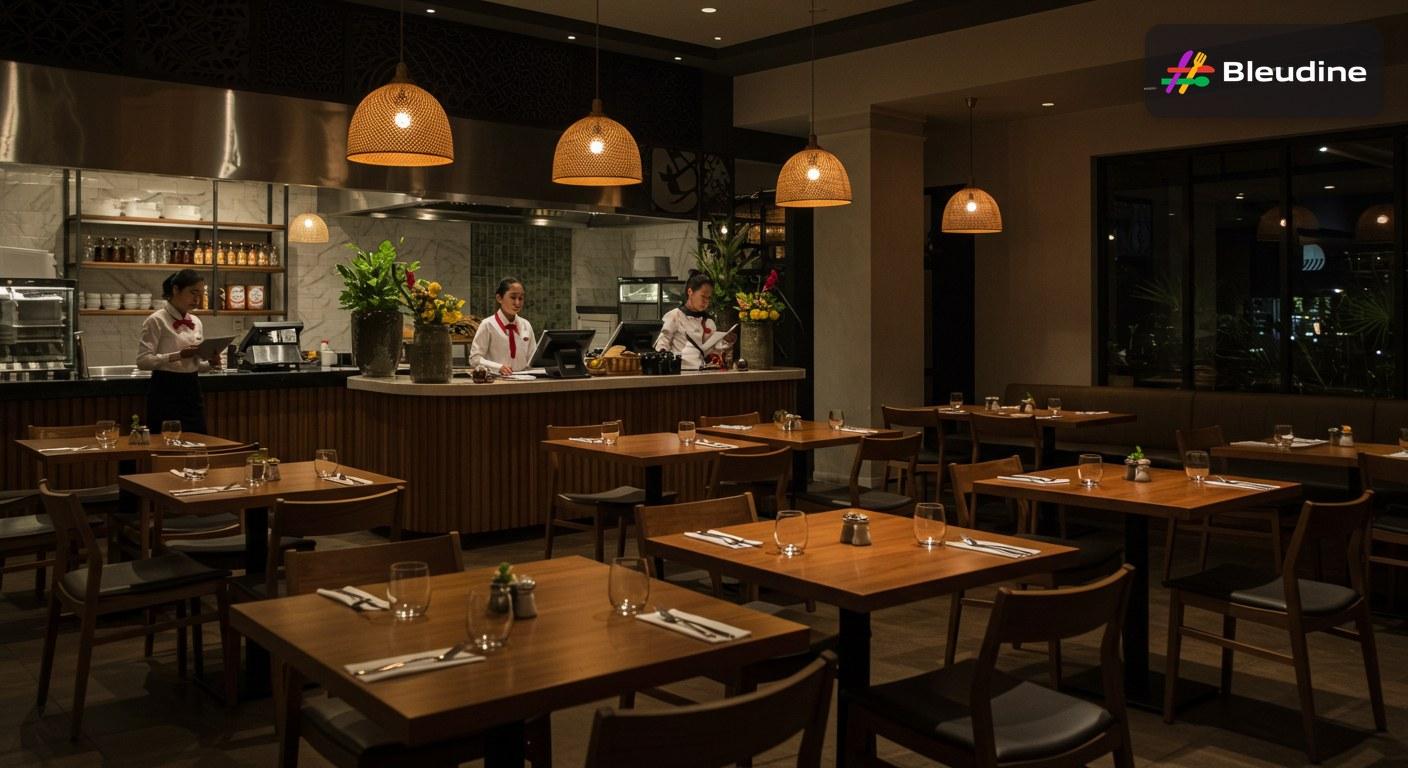
A restaurant reservation system helps operators fill more seats, reduce no-shows, and manage peak-time demand with less front-of-house pressure. In Indonesia, it is becoming a competitive advantage because guests book through websites, Google, Instagram, and messaging apps, while busy markets like Jakarta and Bali need faster table allocation and cleaner coordination.
Bleudine is an F&B management system for restaurant operations, including table management, outlet workflows, and staff coordination.
Why Omnichannel Reservations Matter More Now
How Bleudine supports service flow behind the scenes
For Indonesian restaurants, reservations are no longer just about taking a name and a time. They are about controlling table turnover, reducing empty seats during peak service, and keeping walk-ins from clashing with booked guests.
The shift is being driven by guest behavior. According to the web research for this brief, customers now expect to book through multiple channels, including websites, Google, social media, and messaging apps. That matters in Indonesia, where discovery often starts on Instagram or Google Maps and diners want instant confirmation instead of waiting for a phone call.
The operational impact is easy to see in high-pressure markets. Jakarta dinner peaks and Bali weekend surges can overwhelm front-of-house teams if bookings are handled manually. Centralized reservation data helps managers respond faster, balance seating more accurately, and improve the guest experience during busy periods.
Bleudine fits into this workflow by supporting outlet management, table management, and staff coordination. Its staff management and staff binding features help multiple checkout points operate more efficiently in high-traffic environments, while outlet tools give teams better control over daily operations. Based on the KB findings, Bleudine supports the service layer around reservations even though a dedicated reservation engine is not confirmed.
The commercial logic is simple: reservation software is not only about convenience. It helps operators reduce no-shows, predict staffing needs, and improve table utilization during the hours that matter most. For restaurants competing on service speed and consistency, that makes reservation technology part of core operations, not a nice-to-have.
Key facts
- Reservation platforms help operators reduce empty seats during peak hours by improving table allocation and waitlist handling. (web findings)
- Customers increasingly expect booking options across websites, Google, social media, and messaging apps. (web findings)
- Manual reservation handling can overwhelm front-of-house teams during dinner peaks and weekend surges in Jakarta and Bali. (web findings)
- Bleudine supports outlet management, table management, and daily outlet operations. (KB findings)
- Bleudine staff binding helps multiple checkout points operate efficiently in high-traffic environments. (KB findings)
Frequently asked questions
What is a restaurant reservation system?
It is a system that helps restaurants manage bookings, table allocation, waitlists, and reminders in one workflow. The goal is to reduce no-shows, improve table turnover, and keep service organized during busy periods.
Why do Indonesian restaurants need reservation software?
Many guests discover restaurants through Instagram or Google Maps and expect fast confirmation across channels. In busy markets like Jakarta and Bali, manual booking can slow service and create conflicts between walk-ins and reserved tables.
How does reservation software improve table turnover?
It gives managers better visibility into timing, seating, and booking flow, so tables can be reused more efficiently. That helps restaurants serve more guests without making the dining room feel crowded or disorganized.
Can reservation systems help reduce no-shows?
Yes. Booking reminders and clearer confirmation flows make it easier to keep guests committed to their reservation. Many operators use this to protect revenue during high-demand service windows.
Does Bleudine have reservation features?
The available KB confirms Bleudine supports outlet management, table management, and staff workflows. A dedicated reservation engine is not confirmed, but the product can support the operational side of front-of-house coordination.
What should restaurant managers prioritize first?
Start with centralized table management and a clear booking workflow across channels. Once that is stable, add reminders, staffing coordination, and reporting so peak periods are easier to manage.