
 F&B
F&B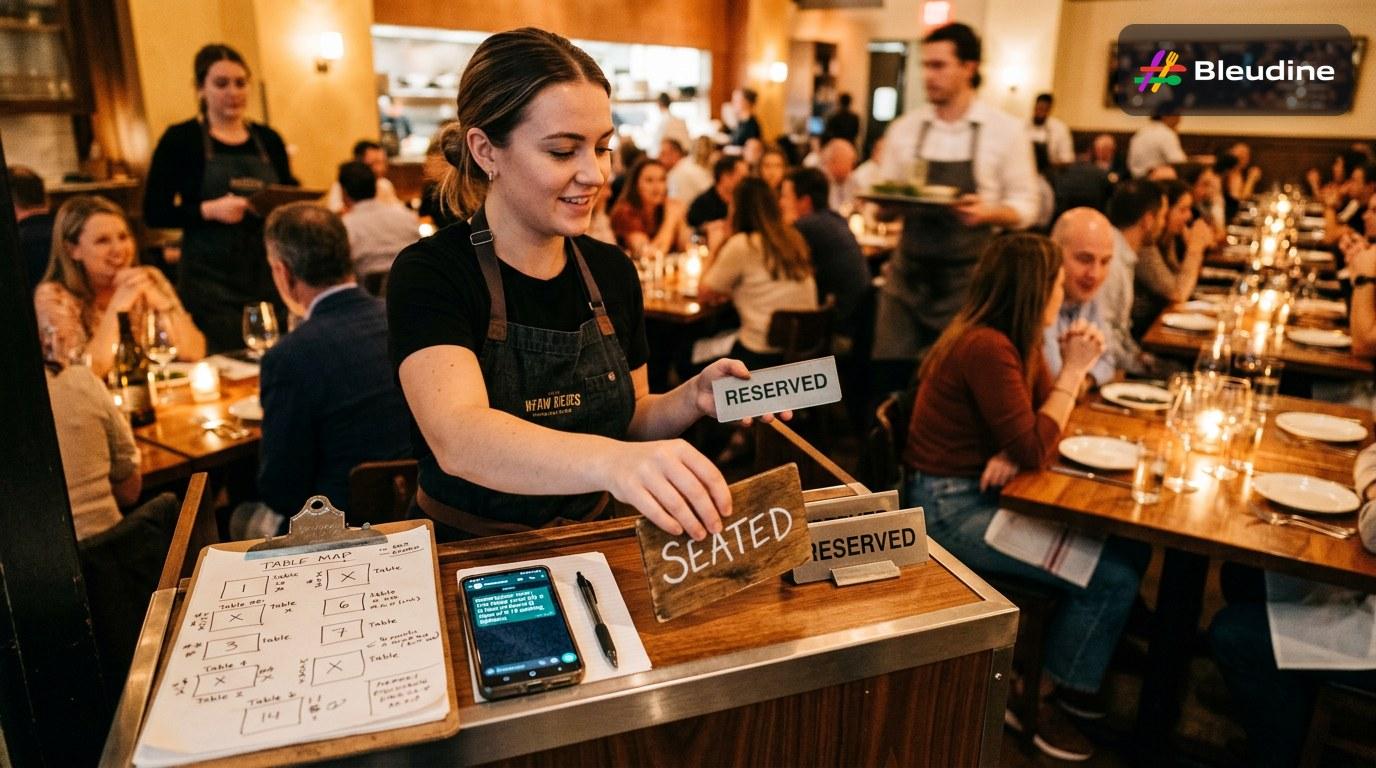
Restaurant reservation systems work best when they are tied to table flow, guest notes, reminders, and daily service routines. In Indonesia, the biggest win is not just taking bookings, but reducing no-shows and improving turnover by connecting reservations to the team that actually seats guests, handles changes, and follows up.
Bleudine is an F&B POS and restaurant operations system from Rideum.
What a usable reservation stack must cover
Why reminders and table handoff matter more than booking forms
Restaurant reservation systems are evolving from simple booking tools into operational control layers. Recent industry coverage shows the strongest systems now support waitlist management, table assignments, guest notes, and automated reminders, because those features directly affect seat utilization and service speed.
For restaurant operators in Indonesia, that shift matters. A booking form alone does not solve a Friday night rush, a late arrival, or a table that sits empty because no one confirmed the guest. The practical checklist starts with three questions: Can the system reduce no-shows with confirmation flows and reminders? Can it help staff see table status in real time? Can it connect reservations to day-to-day service, not just front-desk capture?
Industry reports on no-show management in hospitality continue to point to deposits, prepayment, and WhatsApp or SMS reminders as the most effective controls. That is especially relevant in busy markets where demand can spike on weekends, during Ramadan, or around holidays. The goal is not to add friction for every guest; it is to protect high-value seats and make demand more predictable.
Guest data is the second layer. Reservation tools are increasingly used to store visit history, preferences, and special requests so teams can personalize service and drive repeat visits. That means operators should treat reservations as a CRM input, not just a calendar event.
Bleudine already supports core restaurant operations such as table handling, staff management, and transaction workflows through features like Outlet Staff, Staff Binding, and Invoice Management. Based on the current knowledge base, reservation booking, waitlist, reminder, and deposit functions are not yet confirmed, so this is best treated as a roadmap gap rather than an existing capability.
For operators evaluating restaurant reservation systems, the real test is simple: if the reservation tool cannot help the team seat faster, follow up better, and control no-shows, it is only solving part of the problem.
Key facts
- Industry coverage shows reservation software is expanding beyond bookings into waitlist management, table assignments, guest notes, and automated reminders. (web findings, 2026)
- No-show controls commonly rely on confirmation flows, deposits, prepayment, and WhatsApp or SMS reminders. (web findings, 2026)
- Bleudine includes Outlet Staff, Staff Binding, and Invoice Management for table handling, cashier workflows, and transaction control. (Rideum KB)
- There are 0 KB-confirmed reservation-system features for booking, waitlists, reminders, or deposits. (internal data)
- The trend set includes 3 relevant web findings focused on operations, no-shows, and CRM use. (internal data)
Frequently asked questions
What should a restaurant reservation system include?
At minimum, it should support booking capture, table assignment, guest notes, automated reminders, and cancellation control. The best systems also connect to daily floor operations so staff can act on reservations in real time.
How do reservation systems reduce no-shows?
They reduce no-shows by sending confirmation messages, requesting deposits or prepayment, and automating reminders before the visit. Clear cancellation policies also help set expectations.
Why is table turnover important in restaurant reservations?
Faster turnover means more guests served during peak hours without adding seats. A reservation system should help staff see table status quickly so they can seat the next party sooner.
Should reservations connect to POS and operations?
Yes. If reservations are disconnected from service, staff must manually relay guest details, which slows operations and increases mistakes. Integration helps the front of house and cashier team work from the same picture.
Can guest notes improve repeat visits?
Yes. Visit history, preferences, and special requests help teams personalize service and make returning guests feel recognized. That is one reason reservations are becoming part of restaurant CRM.
Does Bleudine currently support restaurant reservations?
Based on the current knowledge base, Bleudine supports table handling, staff management, and transaction workflows, but reservation booking, waitlist, reminder, and deposit features are not yet confirmed.