
 F&B
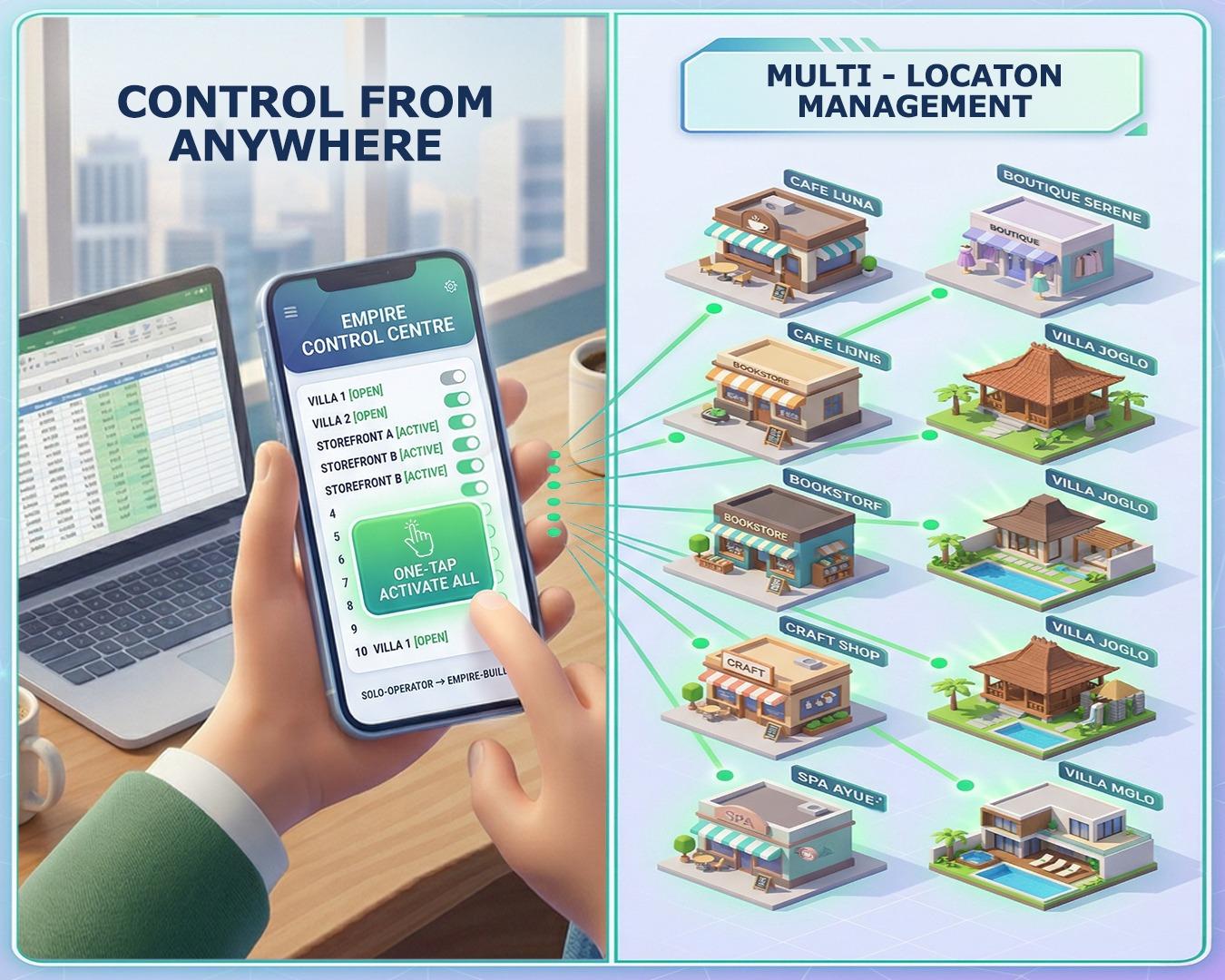
Rideum’s integrated management system helps businesses scale from 1 to 10 units by replacing manual notes and spreadsheets with one digital dashboard. It centralizes workflows, real-time data, inventory, maintenance, HR access, and branch visibility so each unit can operate at the same standard as the original location.
integrated management system: A centralized software system that connects operations, data, workflows, inventory, maintenance, and HR across multiple business units.
Rideum: The platform named in the content that provides integrated management for scaling a multi-unit business from a single dashboard.
SOPs: Standard operating procedures that define the required steps for repeating a process consistently across locations.
role-based access control: A permission model that limits what data each user can see or do based on their role in the organization.
Full Visibility: The headquarters-level access described in the content that allows central management to view all branch data.
Managing a single business unit—whether it’s vehicle rentals, a specialized workshop, or a service outlet—is often manageable with manual notes or basic spreadsheets. However, the moment you decide to multiply that business into 10 units, your methodology must undergo a total transformation. Without a robust digital foundation, expansion can quickly turn into operational chaos.
This is where an integrated management system becomes your most valuable asset. Let’s break down how technology bridges the gap between a small operation and a multi-unit empire.
Why Does the Transition from 1 to 10 Units Often Fail?
Many entrepreneurs fall into the “growth trap.” When operating a single unit, owners are usually deeply involved in every detail (micromanagement). But at 5 or 10 units, you physically cannot be in ten places at once.
Common pitfalls include:
- Inventory discrepancies between different branches.
- Revenue leakage due to scattered transaction records.
- A dip in service quality because SOPs are no longer monitored.
Utilizing solutions from Rideum allows you to monitor your entire business ecosystem from a single dashboard, ensuring that every unit operates at the same high standard you established on day one.
What are the Primary Benefits of an Integrated System for Scalability?
1. Operational Standardization (Digital SOPs)
How do you ensure a technician at unit #10 works as efficiently as the one at your original location? By digitalizing workflows. From inspection checklists to unit handover procedures, every step is guided by the system, leaving no room for guesswork.
2. Real-Time Data Synchronization
Don’t wait for weekly reports to understand your business performance. With an integrated management system, you can view unit utilization, cash flow, and customer feedback across all branches in real-time.
3. Inventory and Asset Optimization
With 10 units, asset distribution becomes a logistical puzzle. The system helps you identify which units are over-utilized and which are sitting idle, allowing you to rotate assets to maximize profitability across the board.
How Does the System Automate Maintenance Management?
One of the biggest hurdles in scaling a rental or fleet business is maintenance. Ten units mean ten times the service schedules, oil changes, and document renewals.
- Automated Reminders: Receive notifications before a document expires or a service interval is reached.
- Digital History: Each unit maintains a complete digital “health record,” increasing the asset’s resale value in the future.
- Cost Control: Track exactly how much is spent on maintenance per unit to prevent operational budget leaks.
Does an Integrated System Help with HR Management?
Absolutely. As you grow to 10 units, your headcount naturally increases. An integrated system assists in:
- Role-Based Access Control: Branch admins only see their specific data, while headquarters maintains “Full Visibility.”
- Measurable KPIs: Evaluate staff performance based on objective data, such as response times or successful transaction completions.
Through the Rideum platform, role management is simplified, ensuring your company’s data remains secure even as your team expands rapidly.
When is the Best Time to Implement This System?
A frequent question is: “Should I wait until I have 5 units before installing a system?”
The answer is now. Building a system while you have 1 or 2 units is significantly easier than trying to fix a disorganized mess once you hit 10. By starting early, you create an “operational blueprint” that can be easily replicated every time you open a new branch.
Practical Steps to Expansion Using Rideum
As your business solution partner, Rideum is designed to grow with you. Here is a practical roadmap for expansion:
- Integrate Existing Units: Migrate all current fleet and customer data into the system.
- Setup Workflows: Define pricing parameters, discount tiers, and operational SOPs
- Monitor & Scale: Use data from your first units to identify market potential for units 2 through 10.
Conclusion
Scaling from 1 to 10 units is not just about adding assets; it’s about strengthening your system. Without integrated management, you are simply duplicating problems. With the right technology, you don’t just achieve quantity—you maintain quality and long-term profitability.
Ready to take your business to the next level?
Explore our Rideum Product Features or read our related post on Tips for Managing Large-Scale Fleets for more insights.
Frequently Asked Questions
What is integrated management in the context of scaling a business?
It is a centralized system that replaces manual notes and basic spreadsheets with one dashboard for managing multiple units.
Why does scaling from 1 to 10 units require a new management approach?
Because one owner can manage a single unit closely, but multiple units create inventory discrepancies, revenue leakage, and weaker SOP monitoring.
How does Rideum help a business scale?
Rideum lets owners monitor the entire business ecosystem from a single dashboard so every unit can operate at the same standard.
What operational problem does digital SOP management solve?
It digitizes workflows like inspection checklists and unit handover procedures so staff follow the same steps at every location.
What data can be viewed in real time with the system?
The system shows unit utilization, cash flow, and customer feedback across all branches in real time.
How does the system help with inventory and asset optimization?
It identifies which units are over-utilized and which are idle so assets can be rotated to maximize profitability.
What maintenance tasks can be automated?
The system can send reminders before documents expire or service intervals are reached and keep a digital history for each unit.
How does the system support HR management as the business grows?
It provides role-based access control and measurable KPIs so branch admins and headquarters can access the right data.