
 F&B
F&B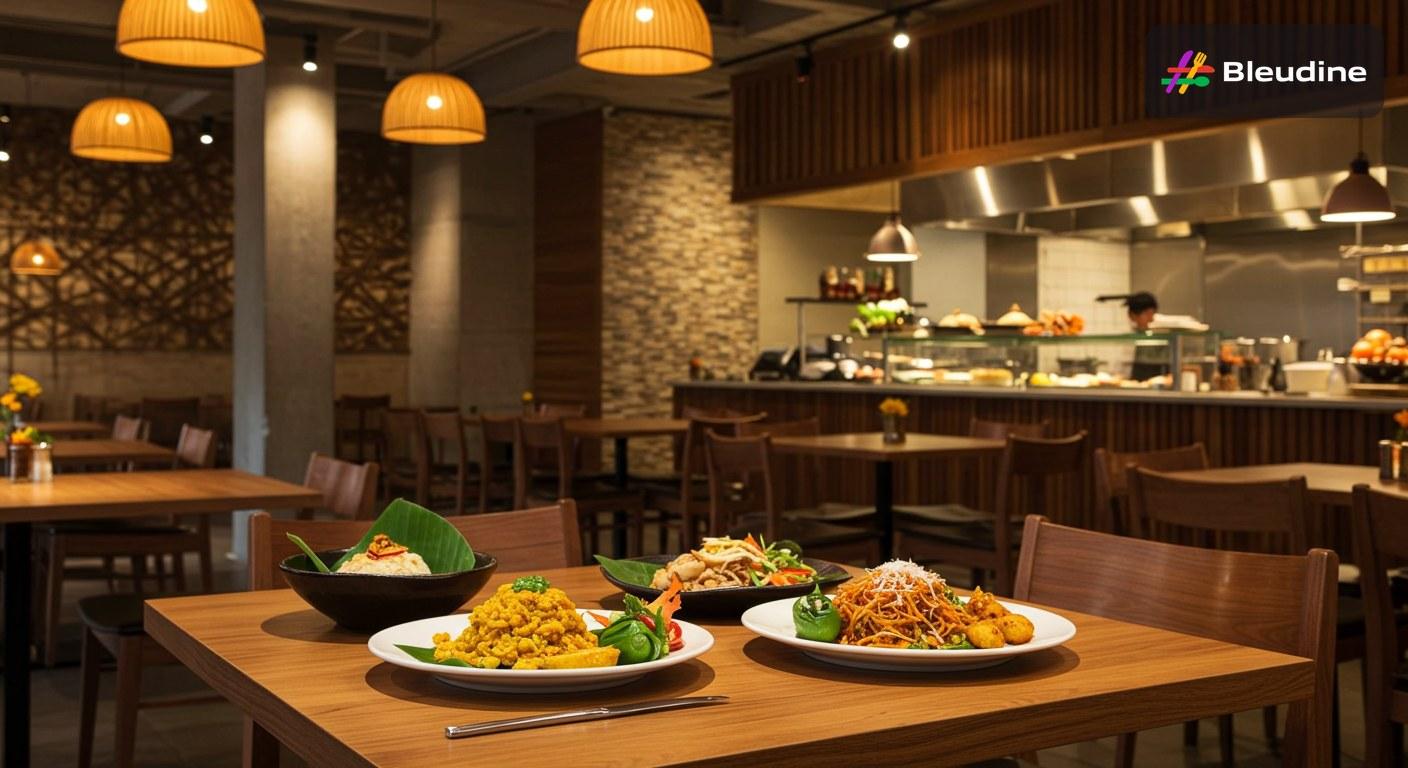
Menu engineering now works best when it pairs familiar comfort with local relevance and clear premium cues. For Indonesian restaurants, that means structuring menus around hero dishes, smart add-ons, and outlet-specific items so guests feel the offer is approachable while operators still protect margin.
Bleudine is an F&B POS and management system for restaurants.
Comfort-led dining is changing what sells
Why outlet-level menu control matters
The menu is no longer just a list of dishes. In Asia Pacific, Marriott reports that dining is shifting toward casual luxury, local flavors, and immersive experiences, with comfort and familiarity becoming premium value drivers in 2025. That matters in Indonesia, where competition in Jakarta, Bali, and other high-traffic food markets is intense and guests can compare options quickly.
For operators, the practical takeaway is simple: the best-performing menus are built to feel easy to order and worth paying for. That usually means three things. First, create hero dishes that anchor the brand. Second, use local ingredients and familiar formats so guests recognize the value immediately. Third, structure premium add-ons and modifiers so upselling feels natural instead of forced.
This is where operational control becomes important. Bleudine supports outlet setup to manage inventory, orders, and menu items specific to each location. For multi-outlet restaurants, that makes it easier to keep menus aligned with local demand, supplier availability, and store-level execution. Internal product capability, 2025.
What Bleudine does not claim to solve is menu mix optimization or pricing analytics. So the strongest use case is not automated menu engineering; it is cleaner menu execution across outlets. If one branch in Jakarta needs a tighter lunch menu while a Bali outlet leans into premium local dishes, that can be managed at the outlet level without creating operational confusion.
In comfort-led dining, clarity sells. Guests want dishes that feel familiar, elevated, and worth the spend. Operators who build menus around that idea will be better positioned to improve ordering speed, reduce friction, and support margin growth without overcomplicating the kitchen.
Key facts
- Marriott says Asia Pacific dining is moving toward casual luxury, local flavors, and immersive experiences in 2025. (Marriott 2025)
- Comfort and familiarity are becoming premium value drivers, not low-end cues. (Marriott 2025)
- Bleudine supports outlet setup to manage inventory, orders, and menu items specific to each location. (Bleudine internal product capability, 2025)
- Jakarta and Bali are highlighted as highly competitive food markets for Indonesian operators. (Provided market context, 2025)
Frequently asked questions
What is menu engineering in restaurants?
Menu engineering is the process of designing menu layout, item placement, and offer structure to improve sales and margins. It usually combines guest psychology, pricing logic, and kitchen operations.
Why does comfort-led dining matter now?
Guests increasingly want food that feels familiar, locally relevant, and worth the price. Comfort-led dining turns that preference into a premium position when the experience feels elevated.
How should Indonesian restaurants adapt their menus?
Focus on hero dishes, local ingredients, and clear premium add-ons. That helps guests understand value quickly while giving operators more room to upsell.
Can Bleudine help manage different menus across outlets?
Yes. Bleudine supports outlet-level setup for menu items, inventory, and orders, which helps operators tailor menus by location. That is especially useful for multi-outlet brands.
Does Bleudine provide menu mix analysis?
The available product information confirms operational menu management, not menu mix analytics. Operators can use Bleudine to control execution, but pricing and mix decisions still need separate analysis.
What kind of menu sells well in Jakarta and Bali?
Menus that feel approachable but still premium often perform well: familiar dishes, local flavors, and add-ons that raise perceived value. Simplicity and clarity usually work better than overloaded menus.